
The fascinating journey of casinos tracing their historical evolution
The Origins of Gambling and Early Casinos
The history of casinos can be traced back to ancient civilizations, where gambling was a common form of entertainment. Evidence suggests that as early as 3000 BCE, the Chinese were playing games of chance with the use of tiles, laying the groundwork for modern gambling practices. The ancient Romans also engaged in betting, often on gladiatorial contests, which indicated a cultural acceptance of risk-taking. These early forms of gambling set the stage for the evolution of casinos as we know them today, including the modern offerings you can find at the Hi Spin casino site.
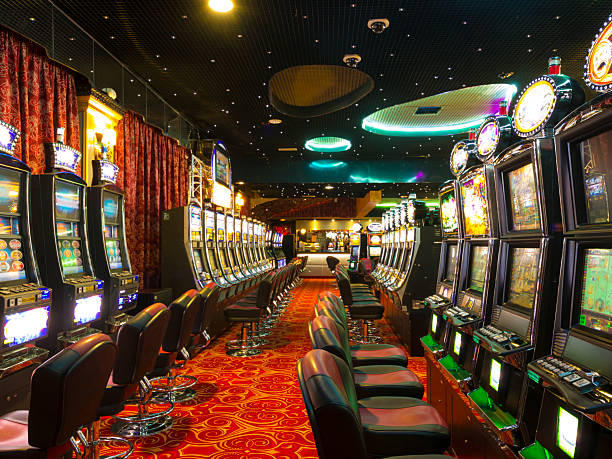
During the Middle Ages, gambling continued to thrive across Europe, albeit with varying degrees of acceptance. Monarchies would often sponsor games of chance, creating an environment that legitimized betting. The first official casino, the Ridotto, was established in Venice in 1638, specifically designed to offer regulated gambling to the public. This marked a significant shift, as it combined social and leisure activities, signaling the transition from informal betting to organized gambling establishments.
The rise of casinos in Europe was closely intertwined with social dynamics and economic changes. With the advent of the Renaissance, more people had disposable income and leisure time, leading to an increased interest in gambling. The establishment of the first casinos was a reflection of this societal shift, as they catered to a growing middle class eager for entertainment. As casinos began to proliferate, they evolved into intricate venues combining games, dining, and social interaction, becoming cultural hubs in their own right.
Casinos in America: The Wild West and Beyond
The introduction of casinos in America can be traced back to the 19th century during the Gold Rush era. As prospectors flocked to the West in search of fortune, gambling establishments began to emerge in boomtowns. These rudimentary casinos provided entertainment and a means of financial transaction, often featuring games like poker and faro, which became wildly popular among miners and travelers alike. The allure of quick wealth through gambling attracted a diverse clientele, setting a distinct American tone for casinos.
By the early 20th century, gambling was a significant part of American culture, especially in cities like New Orleans and Las Vegas. In 1931, Nevada legalized gambling, which spurred the creation of luxurious casinos aimed at attracting tourists. Iconic establishments like the Flamingo and the Sands opened their doors, representing the golden age of gambling in Las Vegas. This marked a pivotal moment in casino history, as Las Vegas transformed into a global gambling destination, defined by extravagant entertainment and lavish settings.
In recent decades, the proliferation of casinos across the United States has been remarkable. The 1980s saw a surge in state-sanctioned gambling, with Atlantic City becoming the second major gambling hub in the nation. States recognized the potential economic benefits of casinos, leading to a wave of legalization in various regions. Today, casinos are not just confined to Nevada; they exist in many forms across the U.S., from tribal gaming establishments to online platforms, reflecting a significant shift in how gambling is perceived and regulated.
The Globalization of Casinos
The evolution of casinos is not confined to the U.S. or Europe; gambling has become a global phenomenon. In Asia, nations like Macau and Singapore have emerged as major gambling destinations, attracting millions of tourists. Macau, often referred to as the “Gambling capital of the world,” surpassed Las Vegas in revenue in the 2000s, showcasing the growing international interest in casinos. This globalization reflects both cultural exchange and economic opportunity, as countries look to capitalize on the lucrative gaming industry.
Moreover, the rise of online casinos has revolutionized the gambling landscape, allowing players from around the world to access a vast array of games from the comfort of their homes. The digital era has made it possible for casinos to reach audiences previously untouched by traditional brick-and-mortar establishments. With advancements in technology, virtual reality and live dealer games have made online gambling an immersive experience, further bridging the gap between physical and digital gambling.
As more countries recognize the economic benefits associated with legalized gambling, the global casino market continues to expand. Legislation in various nations reflects a growing acceptance of gambling as a form of entertainment rather than a vice. However, this evolution also brings challenges, such as responsible gaming initiatives and regulation. Balancing the interests of players, operators, and governments remains crucial in ensuring that the growth of the casino industry benefits all stakeholders.
Celebrity Influence and the Casino Culture
Celebrities have played a significant role in shaping the culture surrounding casinos. Iconic figures, from Frank Sinatra to contemporary stars like Justin Bieber, have frequented casinos, contributing to their allure. These celebrities often attract fans and media attention, creating a unique environment that combines luxury, entertainment, and celebrity culture. The association of casinos with high-profile individuals helps to reinforce their status as social hotspots.
Moreover, celebrity-driven casinos have become increasingly popular, as seen with resorts like the Palms in Las Vegas, which often host events featuring A-list stars. These establishments go beyond gambling by offering exclusive experiences, including high-end dining and live performances. As a result, casinos have evolved into multifaceted entertainment venues that cater to a diverse audience, enhancing their reputation as must-visit destinations.
In addition to their physical presence, celebrities also influence the online casino sector. Many platforms collaborate with stars to promote their offerings, leveraging the celebrity’s brand to attract players. This marketing strategy extends beyond traditional advertising, creating an engaging narrative that connects fans with their favorite stars through gaming experiences. The intertwining of celebrity culture and casinos highlights the adaptability and continuing evolution of the gambling industry.

Embracing the Future: Online Gaming Platforms
The future of casinos is undeniably linked to the rise of online gaming platforms. As technology continues to advance, these platforms are becoming increasingly sophisticated, offering users immersive gaming experiences that rival traditional casinos. Enhanced graphics, interactive features, and the ability to play from anywhere have reshaped the gambling landscape, appealing to a broader audience. Online casinos can offer a diverse range of games, making them particularly attractive to players looking for variety and convenience.
The rise of mobile gaming has further propelled this trend, allowing players to engage with casino games on their smartphones. This accessibility has transformed the way people interact with gambling, making it a part of daily life for many. As the demand for mobile gaming continues to grow, online casinos are investing in developing user-friendly interfaces and innovative gameplay, ensuring that they remain competitive in an evolving market.
As online gambling becomes more mainstream, regulatory frameworks are also evolving to keep pace with this growth. Governments are increasingly implementing licensing and oversight for online gaming platforms, ensuring player safety and fair practices. This regulatory shift reflects a growing recognition of the importance of protecting consumers in the digital gaming environment, paving the way for a sustainable and responsible gambling future.

Leave A Comment