
The Thrill of the Game
The allure of high-stakes casino gambling often stems from the intense thrill that it generates. This excitement can be attributed to several psychological factors, including the adrenaline rush produced by the high-risk environment. Gamblers frequently report feeling exhilarated when placing large bets, as the potential for substantial rewards heightens the emotional stakes. For many, this thrill can be akin to sport betting, creating a compelling loop of seeking out more gambling experiences, as the brain associates these emotions with gambling activities.
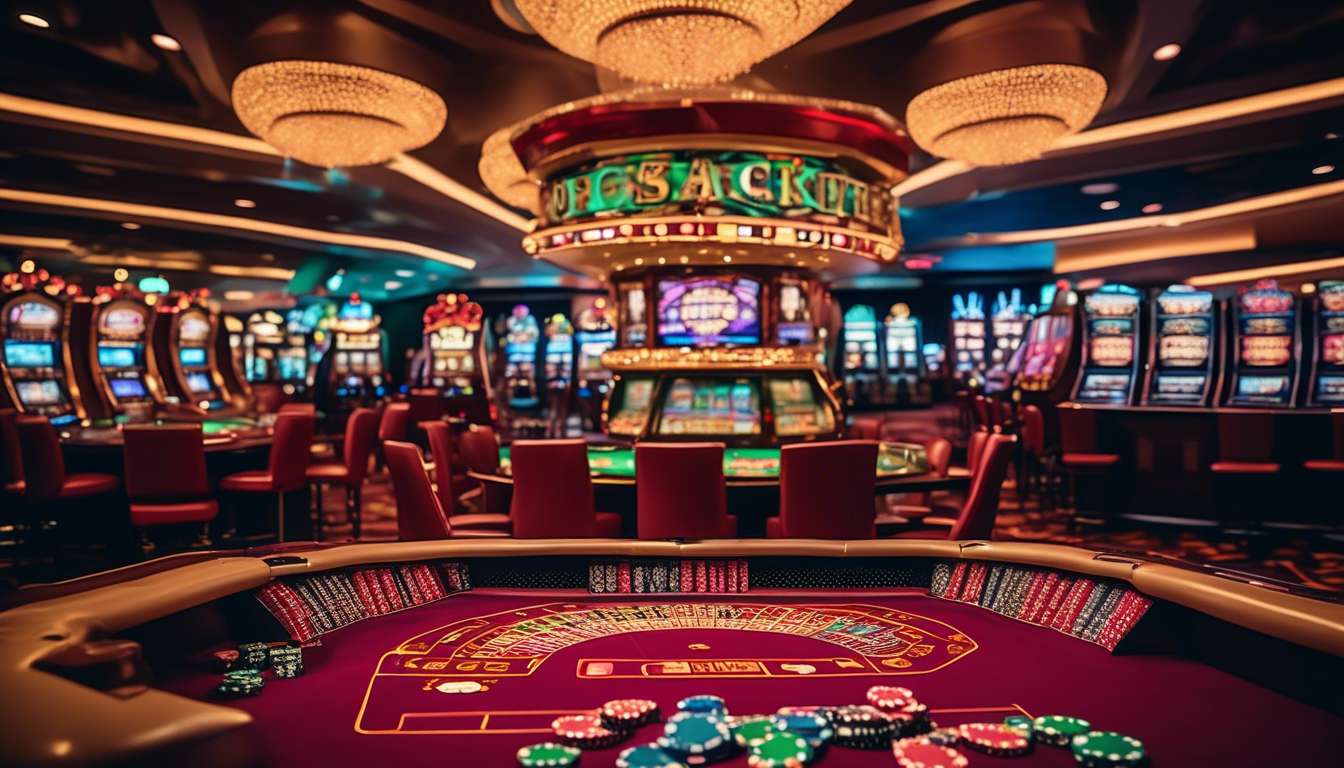
Moreover, the atmosphere in high-stakes areas of casinos contributes significantly to this thrill. With luxurious settings, high-energy environments, and the presence of other excited gamblers, the ambiance amplifies the overall experience. This sensory stimulation keeps players engaged and encourages them to continue playing, often leading to increased risk-taking behavior and ultimately, significant financial decisions.
The Role of Cognitive Biases
Cognitive biases play a crucial role in the decision-making processes of high-stakes gamblers. One prevalent bias is the illusion of control, where players believe they can influence the outcome of games that are fundamentally based on chance. This misconception can lead to overconfidence in their abilities and encourage them to take bigger risks in hopes of achieving greater rewards. Additionally, understanding these biases is essential for recognizing how they impact gambling behaviors.
Furthermore, the gambler’s fallacy often surfaces in high-stakes gambling contexts. This is the mistaken belief that past events can affect future outcomes in random games. For instance, if a player believes that a certain number is “due” to appear after a series of misses, they may wager more heavily, driven by the false hope of a forthcoming win. Such biases can have significant implications on players’ financial decisions and emotional health.
The Social Dynamics of Gambling
High-stakes gambling is often accompanied by a social aspect that can further complicate the psychological landscape. Players frequently engage with others, fostering a sense of community and shared experience that enhances the thrill of high-stakes betting. These social interactions can provide gamblers with a support network, but they can also lead to peer pressure, encouraging individuals to gamble beyond their means or comfort levels.
The influence of social dynamics is particularly evident in casino environments where competition is palpable. Observing others winning can evoke feelings of envy or competitiveness, prompting individuals to place higher bets to keep pace with their peers. This intricate web of social interactions can significantly impact a gambler’s choices, often leading to decisions driven more by group behavior than by rational thinking.
Emotional Triggers and Addiction
Emotions play a significant role in high-stakes gambling, influencing both the initial engagement and ongoing participation in gambling activities. Many gamblers use the thrill of the game as a way to escape from stress or emotional pain, which can lead to addictive behaviors. The rush associated with gambling can create a temporary high that players seek to replicate, often resulting in a cycle of chasing losses or withdrawing from responsibilities to continue gambling.
Recognizing emotional triggers is crucial for those involved in high-stakes gambling. Awareness of these triggers can aid individuals in making conscious decisions about their gambling behaviors and help them establish healthier coping mechanisms. In some cases, professional help may be necessary to address these psychological challenges and prevent addiction from taking hold.

Conclusion: Safe Gambling Practices
Understanding the psychology behind high-stakes casino gambling is essential for promoting responsible gaming. Awareness of the thrill, cognitive biases, social dynamics, and emotional triggers can empower players to make informed choices. Establishing personal limits and seeking support when needed can significantly enhance the gambling experience while minimizing the risks associated with high-stakes betting.
Moreover, it’s critical for online platforms to prioritize safety and provide resources for users facing potential gambling addiction. By fostering a secure and supportive environment, such websites can help mitigate risks and encourage healthier gambling habits among their users.
