
Exploring the social dynamics of gambling in modern society
The Cultural Significance of Gambling
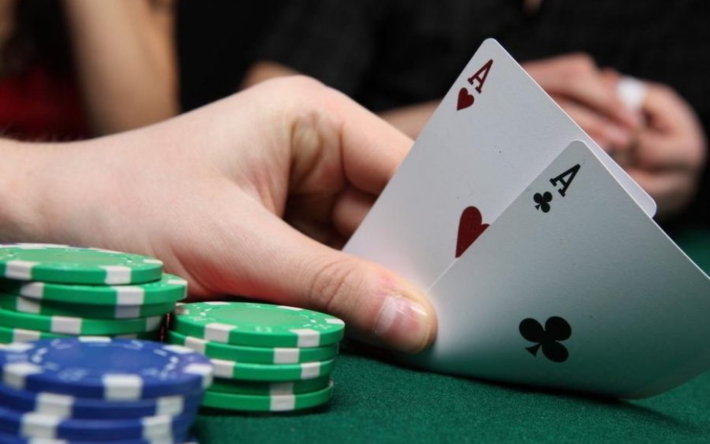
Gambling has been an integral part of human culture for centuries, evolving from traditional forms to modern-day practices. In many societies, it is viewed as a social activity that fosters camaraderie and competition. From friendly poker games at home to lavish australian online casinos, the cultural significance of gambling lies in its ability to bring people together, allowing them to bond over shared experiences and thrills.

Moreover, gambling reflects the values and norms of a society. In some cultures, it is celebrated and integrated into festivities, while in others, it faces criticism and regulation. Understanding these cultural contexts is essential in examining how gambling influences social dynamics and individual behavior within different communities.
The Psychological Aspects of Gambling
The psychology behind gambling is complex and multifaceted. Many individuals are drawn to the excitement and the possibility of winning, which can create a rush of adrenaline that is often hard to resist. This allure can foster a strong sense of hope and anticipation, making gambling appealing even to those who may not typically engage in risk-taking behaviors.
However, the psychological impact of gambling can also lead to detrimental effects. For some, the thrill can turn into addiction, leading to various personal and social issues. Understanding the psychological aspects of gambling can help in creating effective strategies for responsible gambling practices, ensuring that individuals can enjoy the activity without falling victim to its potential pitfalls.
Gambling and Social Interaction
In modern society, gambling serves as a unique platform for social interaction. Many individuals visit casinos, participate in online gaming, or engage in sports betting not just for monetary gain, but for the social experience it offers. These activities often facilitate connections between people, whether through shared interests in particular games or competitive rivalries.
The rise of online gambling has further transformed social dynamics, allowing people to connect with others around the world. Virtual communities centered around gaming create new opportunities for interaction, fostering relationships that transcend geographical boundaries. As a result, the social fabric of gambling continues to evolve, adapting to technological advancements and shifting cultural norms.
The Economic Impact of Gambling
Gambling contributes significantly to the economy in many regions, providing jobs and generating tax revenue. Casinos, online gambling platforms, and betting shops not only create employment opportunities but also stimulate local businesses and tourism. This economic impact can lead to a perception of gambling as a positive force, encouraging further investment in the industry.
However, the economic benefits of gambling must be weighed against potential social costs, such as increased crime rates and gambling addiction. Policymakers often face the challenge of balancing these competing interests to ensure that the economic advantages do not come at the expense of the community’s well-being. Effective regulation and responsible gaming initiatives are essential for mitigating these risks while maximizing economic benefits.
Your Resource for Responsible Gambling
Our platform aims to provide valuable insights and resources for individuals interested in gambling responsibly. We offer comprehensive reviews and comparisons of various gambling venues, ensuring that players can make informed decisions. By prioritizing responsible gaming practices, we help create a safer environment for players of all experience levels.
Whether you’re a novice looking to understand the basics or an experienced player seeking advanced strategies, our resources are tailored to meet your needs. Join thousands of others in exploring the world of gambling while prioritizing safety and enjoyment. Let us be your guide in navigating the intricate landscape of modern gambling.

Leave A Comment